Introduction
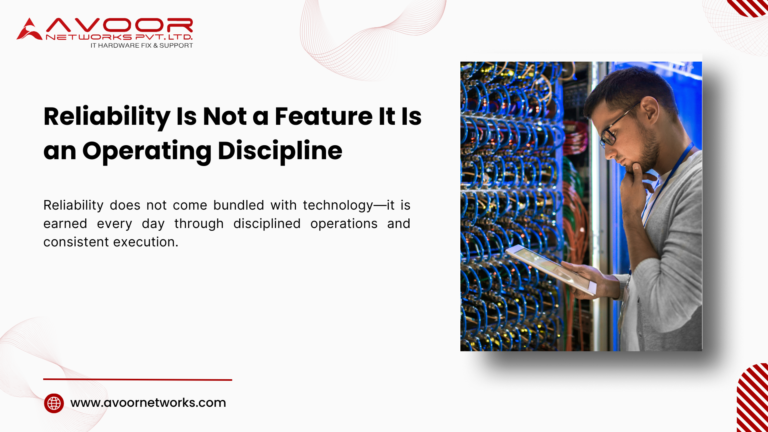
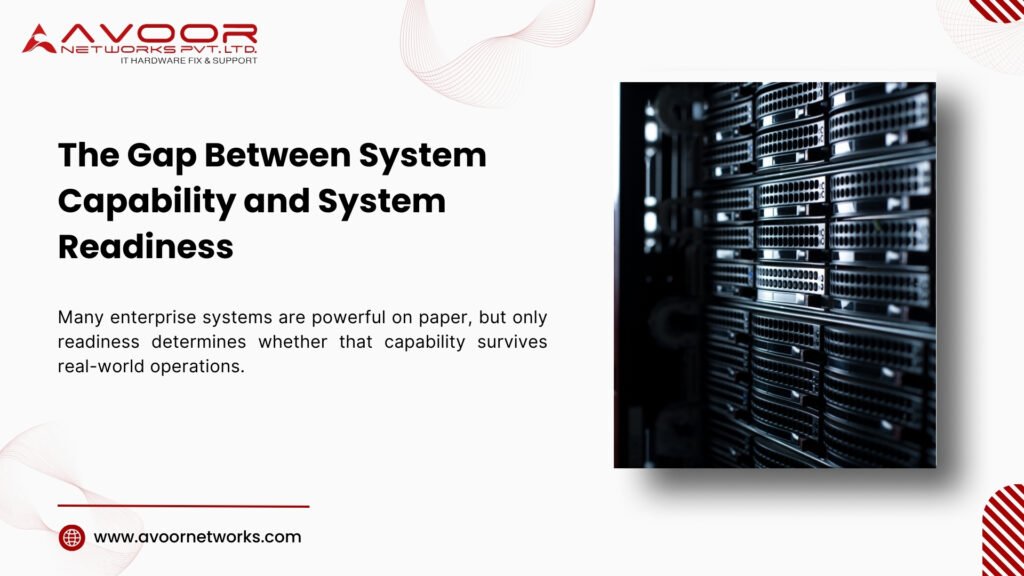
System readiness gap is one of the most misunderstood problems in enterprise IT. Organizations invest heavily in capable systems—high-performance servers, scalable networks, and modern platforms—yet still experience frequent outages, instability, and operational failures.
Capability answers the question, “What can the system do?”
Readiness answers a more important one, “Is the organization prepared to operate it reliably?”
When these two are not aligned, even the most advanced systems fail in real-world operations. Understanding this gap is essential for enterprises that want predictable, stable outcomes.
1. Confusing Capability With Readiness
One of the earliest causes of the system readiness gap is assuming capability equals reliability.
Enterprises often believe:
- Newer systems are automatically stable
- Higher specifications guarantee uptime
- Vendor features ensure reliability
In reality, capability only defines potential. Without readiness, that potential is never realized. Systems fail not because they are weak, but because the organization is unprepared to operate them effectively.
2. Lack of Operational Processes
Capable systems still require structured processes.
Without defined processes for:
- Incident handling
- Escalation
- Recovery
operations become reactive. When issues occur, teams improvise instead of executing known procedures. This lack of structure widens the system readiness gap and increases downtime duration.
3. Inadequate Skill and Ownership Models
System readiness depends on people as much as technology.
Common readiness failures include:
- Limited hands-on expertise
- Unclear ownership
- Dependence on individuals rather than teams
When skilled resources are unavailable during incidents, even capable systems remain unusable. Readiness requires trained teams with clear accountability, not just installed infrastructure.
4. Poor Change and Release Management
Uncontrolled change is a major contributor to the system readiness gap.
Problems arise when:
- Changes are rushed
- Rollback plans are missing
- Configuration history is undocumented
Capable systems become unstable when changes are introduced without discipline. Readiness means every change is planned, tested, and reversible.
5. Absence of Failure Preparedness
Failures are inevitable. Unpreparedness is optional.
Organizations widen the system readiness gap when they:
- Assume failures will not happen
- Lack failover testing
- Do not rehearse recovery scenarios
Systems that are never tested under failure conditions often collapse when stress occurs. Readiness requires planning for failure, not hoping to avoid it.
6. Weak Monitoring and Response Readiness
Monitoring without response capability does not equal readiness.
Readiness gaps appear when:
- Alerts are ignored
- Ownership is unclear
- Response timelines are undefined
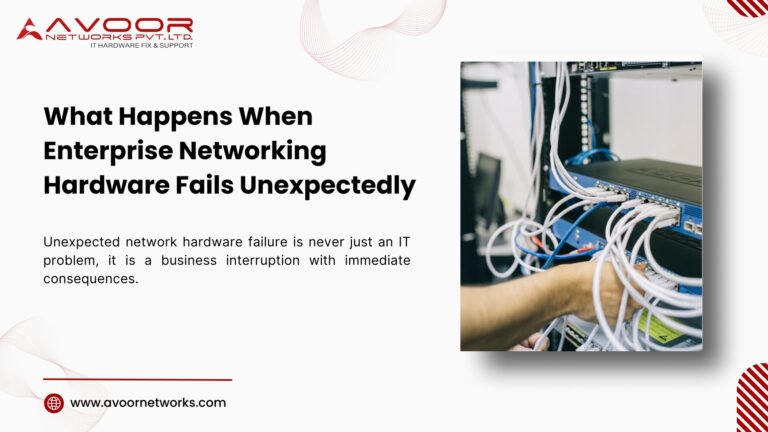
Capable systems generate data, but readiness determines how quickly teams act on that data. Slow response often causes minor issues to escalate into major outages.
7. Missing Lifecycle and Support Discipline
The final cause of the system readiness gap is the absence of structured lifecycle support.
Without lifecycle discipline:
- Aging risks go unmanaged
- Repairs are delayed
- Recovery depends on OEM timelines
Systems may remain capable on paper but become operationally fragile over time.
Closing the System Readiness Gap
Closing the system readiness gap requires a mindset shift. Enterprises must stop asking only whether systems are capable and start asking whether operations are truly prepared.
Readiness is built through disciplined processes, skilled teams, proactive maintenance, and structured support. When readiness matches capability, systems perform as expected under real-world conditions.
Enterprise Readiness Support by Avoor Networks Pvt Ltd
Avoor Networks Pvt Ltd helps enterprises close the system readiness gap by aligning capability with operational preparedness.
With 26+ years of experience, the company delivers:
- Enterprise router, switch, and server support
- Preventive and corrective maintenance
- Chip-level hardware repair
- AMC and CAMC services
- Support for EOL and EOSL infrastructure
- Pan-India on-site and remote assistance
This lifecycle-driven approach ensures systems are not only powerful, but ready.
Conclusion
The gap between system capability and system readiness explains why strong technology environments still fail under pressure. Capability defines what systems can do, but readiness determines what they actually deliver in production.
Enterprises that invest equally in readiness—processes, people, preparedness, and support—transform capable systems into reliable operations. Closing this gap is not a technology upgrade. It is an operational discipline.